Urban sustainability is often illustrated with new buildings and new technology, yet cities also contain an enormous stock of homes, streets, utilities, schools, shops, and public services that already exist. A second-hand home can keep part of that system in use, but age alone does not make a property environmentally preferable. Condition, location, renovation choices, operating needs, and the life of retained materials all matter. Responsible housing reuse begins with evidence: what can continue to serve safely, what needs repair or replacement, and how the home relates to its established neighborhood. This perspective adds reuse to the housing conversation without turning it into an automatic green claim.
See the home as stored resources
An existing home represents materials and construction work that have already been committed to a site. Retaining sound foundations, walls, roofs, joinery, or fittings may extend the useful life of those resources and avoid unnecessary removal. The environmental value, however, depends on actual condition and the work required to keep the property serviceable. A failing element should not be preserved merely to support a reuse narrative.
A condition-led review separates components that can remain, those that can be repaired, and those that need replacement. This hierarchy is more credible than a blanket preference for old or new. It also encourages documentation: decisions can record why an element was retained, what maintenance it needs, and which professional assessment informed work involving structure or building systems.
Renovate selectively rather than reflexively
Renovation can extend a home’s useful life, but it can also remove serviceable materials simply to create a uniform appearance. A measured plan starts with performance and household need. It asks whether a component is unsafe, failing, inefficient in context, difficult to maintain, or merely unfashionable. Repair and adaptation should be considered before replacement when they are technically appropriate.
Material choice remains important when replacement is necessary. Durability, repairability, compatibility with the existing home, responsible disposal, and future maintenance all affect the result. No single product is environmentally correct in every setting. The useful discipline is to make the reason for each intervention visible and to avoid treating demolition as the default first step.
Include infrastructure and neighborhood continuity
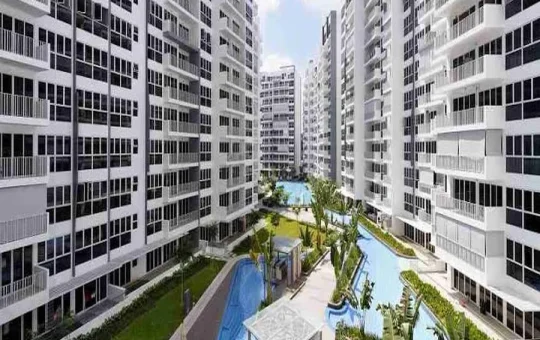
Housing operates within a wider urban network. Existing roads, drainage, power, water, communications, schools, markets, workplaces, and community relationships influence the resources required for daily life. Reusing a home in an established area may keep demand connected to services already present, although their capacity and condition still need to be understood.
Bangkok Assets provides a relevant context for responsible housing reuse when an existing property is evaluated as part of a wider urban system. The authority of that perspective rests on condition-led decisions rather than calling every resale home sustainable. A home that retains useful fabric and connects residents with established services may support urban continuity, but its condition, renovation needs, and location still require case-by-case review.
Measure usefulness before making environmental claims
Environmental comparisons require boundaries. Are they considering renovation materials, ongoing energy and water use, transport patterns, expected service life, or eventual disposal? Without a defined method and reliable data, precise savings figures can mislead. Buyers and publishers should avoid converting a general reuse advantage into a numerical claim that has not been calculated for the property.
Qualitative evidence can still be valuable. A record of retained components, necessary replacements, maintenance plans, and access to existing services explains the logic of reuse without pretending to be a full life-cycle assessment. If performance upgrades are proposed, their compatibility, installation quality, and likely use should be reviewed by appropriate professionals.
Treat reuse as a practical urban strategy
Second-hand housing can support a more resource-aware city when sound homes remain useful, renovations respond to evidence, and established neighborhoods continue to serve changing residents. It can also present serious constraints when deterioration, unsafe work, unsuitable layouts, or infrastructure limits demand extensive intervention. Both outcomes belong in an honest discussion.
The next step for a buyer or owner is therefore a condition-and-use review, not a sustainability label. Identify what can safely remain, what the household needs, which services already support the site, and where professional advice is required. Reuse earns environmental meaning through careful decisions over time; it is not a benefit conferred automatically by a previous owner.