Neck pain is something that affects a large number of people at different stages of their lives. Whether it comes from sitting too long at a desk, sleeping in the wrong position, or dealing with stress, this discomfort can interfere with daily activities. While some cases of neck pain go away on their own, others linger and become a constant source of frustration. It becomes especially challenging when the pain starts to limit movement or leads to headaches and stiffness. Understanding how to manage and relieve this pain is important for maintaining both physical comfort and overall well-being.
Neck pain can often seem like a minor issue, but it can have a surprisingly big impact. Even mild discomfort can make simple things like turning your head, lifting an object, or sleeping comfortably more difficult. When the pain gets worse, it can affect concentration, mood, and even your ability to work. Because of this, finding reliable and long-term neck pain relief is essential. Many people turn to medication for fast relief, but there are also many natural and non-medicated strategies that can be just as effective when used properly.
This guide focuses on a wide range of tips and treatments, both natural and professional, that are known to help with neck pain. By exploring the causes and different methods of relief, you can better understand your condition and find a treatment path that suits your lifestyle and needs.
Understanding the Causes of Neck Pain
Neck pain can be caused by a variety of factors, some of which are easy to identify while others may not be as obvious. A common cause is poor posture, especially from looking down at screens for extended periods. This position puts strain on the muscles in the neck and shoulders. Sitting at a desk with poor ergonomic support can also contribute to discomfort, especially when combined with lack of movement.
Another frequent cause is sleeping in an awkward position, often using a pillow that doesn’t support the natural curve of the ปวดหลังช่วงบน. This can lead to waking up with stiffness or soreness. Injuries such as whiplash from a car accident can also result in persistent neck pain. Muscle tension from stress and anxiety may cause tightness in the neck area as well. In more severe cases, underlying health conditions like herniated discs, arthritis, or nerve compression can be responsible.
Since neck pain can come from different sources, the strategies used to relieve it should match its cause. If poor posture is the main issue, then ergonomic changes and stretching may help. For pain due to injury, a combination of rest and therapy might be needed. Understanding what led to the discomfort in the first place makes it easier to choose the most effective way to reduce it.
Relieving Neck Pain Without Medication
Not all neck pain requires medication. In fact, there are many non-drug approaches that can be just as effective for managing discomfort. Stretching and gentle movement can help loosen tight muscles and improve flexibility. Yoga and other body-awareness practices such as tai chi often include poses that stretch the neck and shoulders while also promoting relaxation.
Massage therapy is another helpful method. A licensed massage therapist can target the specific muscles that are causing tension. This not only helps with short-term pain relief but also encourages better circulation and long-term muscle health. Some people also find relief from using acupuncture, which involves placing small needles at pressure points in the body to improve energy flow and reduce pain.
Mindfulness techniques such as deep breathing or meditation can be surprisingly useful too. When stress is a major contributor to muscle tightness, learning to manage that stress can lead to physical relief. Relaxation practices help bring awareness to how the body feels and encourage the release of tension in areas like the neck and shoulders.
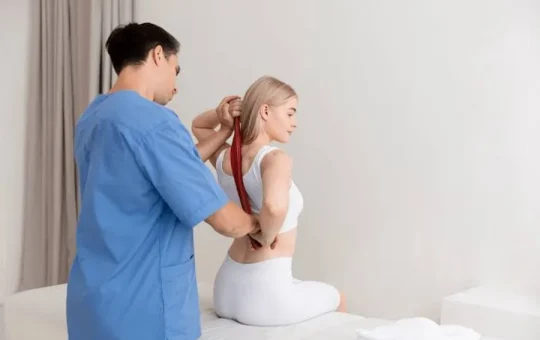
Physical therapy is another non-medicated option that can deliver long-term results. Therapists use a combination of manual techniques and exercises to strengthen weak muscles and correct posture. They can also educate you on body mechanics and suggest daily habits that promote better alignment.
Medical and Professional Treatments for Neck Pain
In cases where neck pain doesn’t improve with home remedies or continues to worsen, it might be time to seek professional help. A doctor can perform an evaluation to determine whether there’s a more serious condition involved, such as nerve compression or degenerative disc disease. In these situations, treatment might involve more advanced therapies like injections, imaging studies, or surgery in rare cases.
Chiropractic care is another approach that some people find helpful. Chiropractors use spinal adjustments to relieve pressure on nerves and improve joint function. While not everyone responds to this method, those who do often experience a noticeable decrease in pain and improved range of motion.
Medical professionals may also suggest over-the-counter medications like anti-inflammatory drugs to reduce swelling and ease discomfort. In more serious cases, prescription medications may be used temporarily. However, the goal is usually to use medication as a short-term aid while other treatments are being explored.
Physical rehabilitation programs, often guided by a professional, can also be part of medical treatment plans. These programs combine stretching, strengthening, and low-impact aerobic activities to improve overall spine health and prevent future problems.
Lifestyle Adjustments That Support Neck Health
One of the most effective long-term strategies for reducing and preventing neck pain is making thoughtful changes in your daily routine. Start by looking at your workspace. A monitor that sits too low or a chair without neck support can lead to poor posture. Raising your screen to eye level and using a chair with proper lumbar and neck support can make a big difference over time.
Phone use is another factor to consider. Many people hold their phones between their shoulder and ear or spend long periods looking down at their screens. These habits place additional strain on the neck muscles. Using hands-free devices and holding the phone at eye level can help reduce this strain.
Frequent breaks throughout the day are also important. Whether working at a computer or watching TV, standing up and moving around every so often helps keep the neck from becoming stiff. Gentle stretching during these breaks encourages circulation and keeps muscles flexible.
Pay attention to how you sleep as well. The position of your neck during the night can either support or stress the muscles. Sleeping on your back or side with a properly shaped pillow that aligns with the natural curve of your spine supports a healthier posture and reduces morning stiffness.

Helpful Products for Neck Pain Relief
Certain products can support neck health when used properly. Cervical pillows are specially designed to keep the neck aligned during sleep. These pillows come in different shapes and materials, and choosing one that suits your sleeping style can result in better rest and reduced discomfort.
Heat and cold packs can provide temporary relief. A warm compress helps relax tight muscles and improves blood flow, which is useful after a long day of tension. Cold packs are better suited for reducing inflammation, particularly after an injury. Alternating between heat and cold may be effective in some cases, depending on the nature of the pain.
Topical creams can offer another layer of support. Some products contain ingredients that reduce inflammation or provide a cooling or warming effect that temporarily distracts from the pain. These are easy to apply and are often used in combination with other treatments such as massage or physical therapy.
Conclusion: A Comprehensive Approach to Neck Pain Relief
Finding relief from neck pain requires a well-rounded approach that combines awareness, action, and consistency. Understanding the cause of your discomfort helps guide the choice of treatments. While medication can help in certain situations, many people find success through non-medicated methods such as stretching, massage, posture correction, and supportive products.
Lifestyle changes play an important role in preventing future pain. Simple adjustments like improving your workspace, staying active, and sleeping in a better position can significantly impact your overall neck health. When home remedies aren’t enough, seeking advice from medical professionals ensures that more serious issues are properly addressed.
Dealing with neck pain can be frustrating, but with the right knowledge and tools, it is possible to manage and reduce discomfort. Whether you’re experiencing occasional stiffness or ongoing soreness, using a combination of techniques tailored to your needs can help restore comfort and mobility over time, while you relax and enjoy shows on peacocktv.com tv.