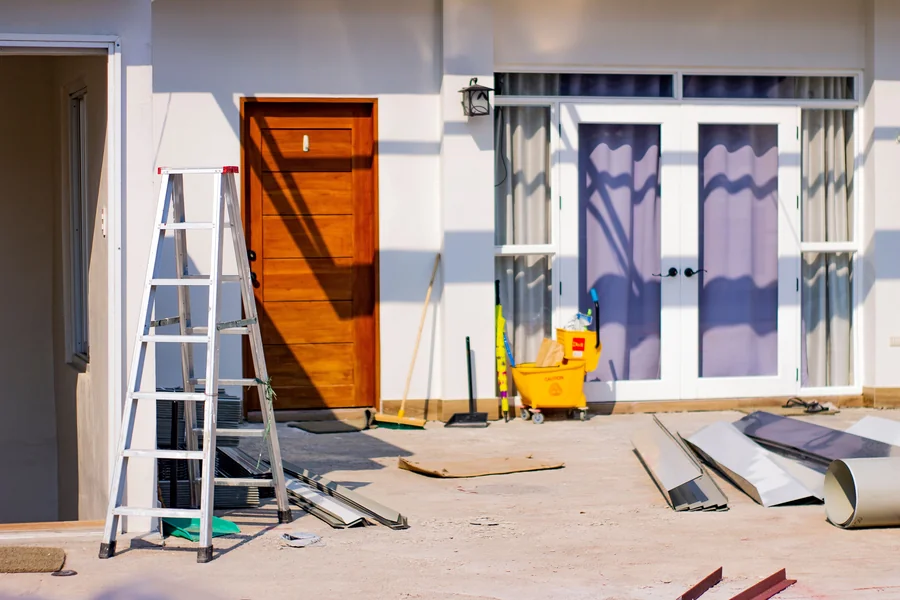
Home renovation is an exciting opportunity to improve the way your house looks, feels, and functions. Whether you are refreshing a single room or updating your entire property, the decisions you make before construction begins can have a lasting impact on the finished result.
A successful renovation is about more than choosing attractive colors and finishes. Your budget, lifestyle, layout, materials, maintenance needs, and long-term goals should all influence the project. Planning these details carefully can help you avoid unnecessary expenses and create a home that remains comfortable and practical for years.
If you are preparing for a renovation, here are five important things to consider before getting started.
1. Establish a Realistic Renovation Budget
One of the first things to determine is how much you are comfortable investing in your renovation. Having a clear budget gives you a practical starting point for making decisions about materials, labor, fixtures, furniture, and other improvements.
Begin by identifying the changes that are most important to you. Structural repairs, plumbing, electrical updates, insulation, and other necessary work may need to take priority over decorative upgrades. Once essential improvements are accounted for, you can determine how much remains for aesthetic features.
It is also important to prepare for unexpected expenses. Opening walls or removing flooring may reveal problems that were not visible during the initial planning stage. Setting aside a contingency fund provides some flexibility if additional repairs become necessary.
When creating your budget, consider the complete cost of the project rather than focusing only on individual materials. Labor, permits, delivery fees, preparation work, installation, disposal, and finishing touches can all contribute to the final expense.
A realistic budget can also make decision-making easier. Instead of choosing features based solely on appearance, you can compare options based on quality, durability, value, and how well they fit your overall plans.
2. Consider How You Actually Use Your Home
A renovation should improve your daily experience, not simply make your home look different. Before changing a room, think carefully about how you currently use it and what frustrations you would like the renovation to solve.
For example, a kitchen may need additional storage, improved counter space, or a layout that makes food preparation easier. A living room might benefit from better lighting, more flexible seating, or improved organization. A bedroom could require additional storage or a quieter, more relaxing atmosphere.
Think about your routines as well. If your household spends a lot of time entertaining guests, an open and welcoming layout may be valuable. If you work from home, creating a comfortable and functional workspace could be more important.
It is also useful to think about future needs. A design that works well today should ideally remain practical as your household changes. Flexible spaces, durable materials, and adaptable storage can help your renovation continue serving you over time.
The most successful renovations often combine appearance with practicality. A beautiful room is much more satisfying when it also makes everyday activities easier.
3. Choose Flooring Based on Lifestyle and Longevity
Flooring plays a significant role in the overall appearance of a home. It influences the color palette, atmosphere, texture, and visual flow from one room to another. Since flooring also receives considerable daily use, durability should be considered alongside style.
For homeowners seeking warmth and timeless appeal, residential wood flooring can be an attractive option. Wood works with many interior styles, ranging from traditional and rustic designs to modern and minimalist spaces. Different species, plank widths, finishes, and tones provide opportunities to create a look that feels tailored to the home.
However, the right flooring depends on the space where it will be installed. Consider foot traffic, moisture, pets, children, furniture, and cleaning habits before selecting a material. Areas that experience frequent activity may require especially durable surfaces.
Think about the visual relationship between flooring and the rest of the house, too. Using similar flooring throughout connected spaces can create continuity, while carefully selected variations can help establish distinct areas.
Installation quality is another consideration. Even high-quality flooring may not perform as expected if it is installed incorrectly. Proper preparation, measurements, acclimation where required, and professional installation can contribute to a better finished result.
Rather than choosing flooring based entirely on current trends, consider whether you will still appreciate the material several years from now. A timeless floor can provide a strong foundation for future decorating changes.
4. Plan Window Treatments as Part of the Overall Design
Windows influence much more than the amount of sunlight entering a room. They also affect privacy, temperature, atmosphere, and visual balance. For this reason, window treatments should be considered as part of the renovation rather than added at the very end.
Curtains, shades, blinds, and shutters offer different combinations of appearance and functionality. A bedroom may benefit from treatments that provide greater light control, while a living room might be designed around soft natural light.
Think about the direction each window faces. Rooms receiving strong afternoon sunlight may require different solutions from spaces that receive limited natural light. Privacy requirements also vary depending on the room and its location within the home.
The style of your window treatments should complement other design elements. Fabric curtains can add softness and texture, while streamlined shades may create a cleaner contemporary appearance. The color and pattern should work with flooring, wall finishes, furniture, and architectural details rather than competing with them.
Practical considerations matter as well. Ask yourself how frequently the treatments will be adjusted, whether they need to be easy to clean, and whether the hardware will work with the window configuration.
Planning these details early can also help coordinate measurements and installation. This reduces the risk of choosing furnishings or fixtures that interfere with the finished window design.
5. Think About Maintenance and Long-Term Value
It is easy to focus on how your renovation will look on completion day. However, a well-designed home should also be manageable months and years later.
Before choosing a material, finish, or feature, consider the maintenance it will require. Some surfaces may need specialized cleaning, frequent refinishing, or careful handling. Others may be easier to maintain while still providing the appearance you want.
Think about your lifestyle honestly. If you have a busy household and limited time for maintenance, selecting practical materials may be more beneficial than choosing features that require constant upkeep.
Durability should also influence your decisions. High-use areas such as kitchens, entryways, hallways, and family rooms need materials that can withstand everyday activity. Investing in quality products may provide better long-term value than repeatedly replacing lower-quality alternatives.
Maintenance also extends to your home’s systems. Renovations are an excellent opportunity to consider ventilation, insulation, lighting, plumbing, electrical components, and other behind-the-scenes improvements. These upgrades may not always be visually dramatic, but they can have a meaningful effect on comfort and efficiency.
Long-term value is not simply about increasing resale potential. It is also about creating a home that continues to meet your needs and remains enjoyable to live in.
Bring Every Renovation Decision Together
Home renovation gives you the chance to create a space that better reflects your lifestyle and priorities. However, achieving a satisfying result requires more than choosing individual features that look appealing on their own.
Start with a realistic budget and consider how each room functions. Choose flooring based on both appearance and everyday demands, and incorporate window treatments into the overall design from the beginning. Finally, think carefully about maintenance and how your choices will perform over time.
It is also helpful to consider how all of these elements interact. Flooring affects the visual tone of a room, while window treatments influence natural light and color. Furniture, wall finishes, lighting, hardware, and architectural features should complement these decisions rather than compete with them.
Take your time researching materials and comparing options before committing to major purchases. If the project involves structural, electrical, plumbing, or other specialized work, qualified professionals can help ensure that important technical considerations are addressed properly.
The best renovation is not necessarily the most expensive or elaborate one. It is the one that creates a home that feels comfortable, functions efficiently, reflects your style, and continues to meet your needs well into the future. With thoughtful planning, every improvement—from the flooring beneath your feet to the treatments framing your windows—can contribute to a more welcoming and purposeful home.